Powell River Top General Contractor for Complete Renovation Services
Powell River Top General Contractor for Complete Renovation Services
Blog Article
General Contractor: Your Go-To Expert for Home Work
A general contractor assumes a essential role in home projects. They direct various aspects of building, confirming that processes function flawlessly. Their expertise with construction codes and compliance requirements allows them to overcome the complexities of licensing and evaluations. This experienced professional functions as a critical link between clients and subcontractors. Yet, many homeowners remain unclear about the full scope of their services. Knowing these facts can have significant bearing on the triumph of any renovation endeavor.
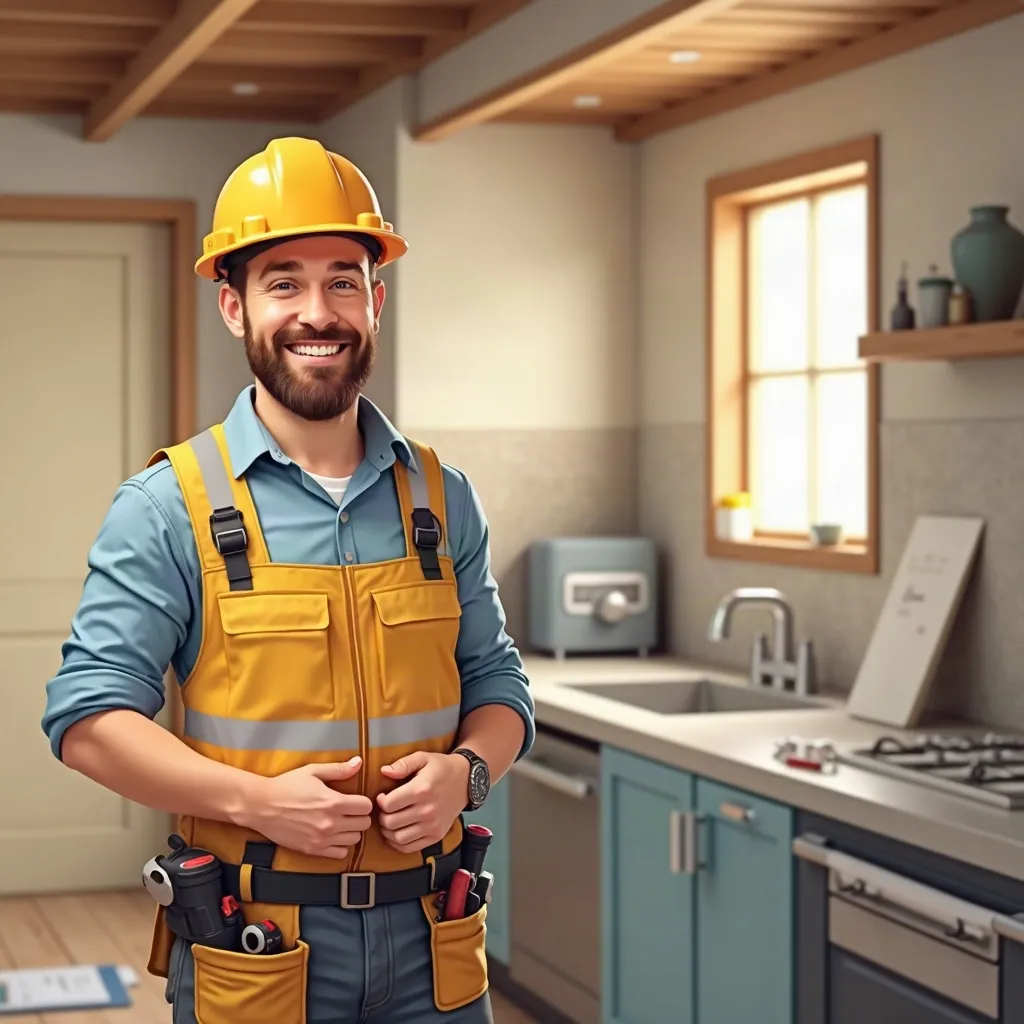
What Does a General Contractor Do?
A general contractor manages the various elements of a construction project, ensuring that all operations flow without issue from opening to closing. They serve as the primary point of contact, managing interactions between stakeholders, subcontractors, and suppliers. This function involves mapping out the project timeline, arranging labor, and upholding compliance with municipal construction standards and regulations.
General contractors are responsible for obtaining necessary permits and scheduling inspections, which are essential to maintaining safety and quality standards. They also manage budget planning, material procurement, and overseeing site operations to prevent any possible setbacks or complications. In addition, they oversee subcontractors, ensuring that each phase of construction conforms to project specifications and timelines. Overall, a general contractor's expertise and organizational skills are crucial for delivering a successful construction project, turning a client's vision into reality while managing multiple duties and obligations.
Benefits of Employing a General Contractor for Home Remodeling
Contracting a professional builder for home renovations provides numerous advantages that can greatly boost the efficiency and quality of the project. General contractors bring specialized knowledge in project management, making sure that schedules are kept and resources are allocated effectively. Their strong relationships with subcontractors can lead to superior pricing and superior workmanship, which ultimately helps property owners regarding both time and money.
Moreover, construction managers manage the intricate details of permits and inspections, reducing possible regulatory problems. They also provide a unified liaison, simplifying communication and coordination among various trades. This streamlining decreases the chance for misunderstandings and delays.
In addition, their experience empowers them to foresee emerging challenges, facilitating timely interventions to maintain the project on track. By hiring a general contractor, homeowners can focus on their vision while enjoying peace of mind, confident that a professional is directing every aspect of the renovation.
Dispelling Common Myths Surrounding Builders
While many homeowners may hold false beliefs about contracting professionals, understanding the truths can lead to more informed decisions. One common myth is that hiring a general contractor is not needed for small projects; however, their expertise can simplify even small-scale renovations, ensuring adherence with local codes. Another frequent belief is that contractors are merely middlemen, but they often possess broad knowledge in multiple areas, enabling them to oversee projects efficiently. Additionally, some homeowners think that working with a contractor will significantly increase costs. In truth, a skilled general contractor can often secure better pricing for materials and labor due to established relationships with suppliers and subcontractors. Finally, many believe that general contractors are inflexible, but trusted contractors prioritize client communication and collaborate closely to meet specific needs. Dispelled myths can empower clients to leverage the real value of contractors in achieving successful home projects.
Identifying the Most Suitable General Contractor?
How can property owners ensure they choose the right construction professional for their jobs? The procedure begins with thorough research. Property owners should obtain suggestions from friends, family, or online reviews to find qualified contractors. Once a compilation is compiled, confirming credentials, such as licensing, insurance, and bonding, is crucial to confirm credibility.
Next, property owners should ask for and examine portfolios of previous work, focusing on projects similar in scope. Scheduling meetings allows homeowners to gauge compatibility, covering schedules, costs, and requirements. It's also advisable to obtain multiple quotes for evaluation, offering a better grasp of costs.
Reviewing references offers understanding of a contractor's dependability and expertise. Finally, relying on your gut feeling is crucial; an initial meeting can uncover a contractor's way of communicating and methodology. By implementing these procedures, homeowners can significantly boost their odds of choosing a general contractor who matches their project needs and vision.
Powerful Communication Strategies To Use Alongside Your General Contractor
How can homeowners leverage approaches to secure see now productive dialogue with their general contractor? Establishing direct engagement from the outset is important. Homeowners must distinctly articulate their expectations, project targets, and spending restrictions during first discussions. Ongoing discussions can be promoted through organized conferences, making certain that both parties stay coordinated throughout the project.
Using documented records, such as emails or project logs, helps strengthen verbal agreements and reduces misunderstandings. Homeowners should also promote open dialogue by soliciting input and inquiries from the contractor, creating a collaborative environment.
Moreover, employing digital tools, such as project management apps, can streamline communication by offering a unified platform for sharing information, timelines, and changes. Finally, being courteous and approachable can enhance connection, allowing it easier for the contractor to convey challenges or suggestions effectively. By employing these approaches, homeowners can develop a productive and transparent relationship with their general contractor.
How to Get Ready When Your Undertaking Launches?
As the project starts, homeowners can expect a flurry of activity on-site. The general contractor will manage squads of experienced workers, including electricians, plumbers, and carpenters, who will begin their work following the set schedule. Homeowners may notice heavy machinery and materials being delivered, fostering a bustling atmosphere.
Clear communication is crucial during this stage. The contractor will communicate advancements and handle any concerns that surface. Homeowners should ready themselves for potential interruptions, such as noise and limited access to certain areas of the home.
Safety safeguards will be in place to protect both workers and residents, ensuring a secure environment. Additionally, homeowners may be urged to maintain flexibility, as unforeseen issues can arise, necessitating adjustments to the original plan. Overall, this initial phase establishes the foundation for the successful completion of the project, and active engagement is essential.
Fundamental Questions for Your Overall Contractor Understanding?
Pinpointing the right matters to discuss when settling a general contractor agreement is vital for assuring a streamlined project. Homeowners should ask about the contractor's certification and coverage to verify their qualifications and protection against accountability. Understanding the project timeline and milestones is significant; therefore, asking about projected completion dates helps manage expectations.
It is also vital to define financial conditions, comprising initial payments and payment schedules, to sidestep miscommunications. Residents should obtain a detailed breakdown of costs, embracing components and labor, to assure transparency. Moreover, talking through the method for dealing with changes or unexpected complications can thwart disagreements afterwards.
To wrap up, homeowners must find out about subcontractors and their experience, as well as the contractor's communication strategy throughout the project. By tackling these questions, property owners can maintain a strong partnership with their primary contractor, ultimately facilitating a successful home project.
Common Inquiries Asked Often
In What Fashion Do General Contractors Charge for Their Services?
Contractors usually charge through fixed fees, hourly rates, or a proportion of the overall budget. Their pricing model may include materials, work performed, and overhead, based on the project's complexity and scope.
Can a General Contractor Help With Licenses and Inspections?
Yes, a general contractor can assist with securing permits and conducting inspections oversight. They typically work through local regulations and maintain regulatory adherence, simplifying the workflow for homeowners while facilitating necessary authorizations throughout the construction project.
What Credentials Should I Search for in a General Contractor?
When hiring a general contractor, one should assess qualifications such as valid licensing, comprehensive insurance, experience in relevant projects, excellent references, and effective communication skills, confirming they possess the essential qualifications to handle the project with success.
How much time Does a Typical Home Renovation Project Take?
A routine home renovation project can extend anywhere from a few weeks to several months, subject to the scope, complexity, and size of the project, as well as the stock of materials and labor.
What Takes Place if My Undertaking Surpasses Spending Cap?
Should a project go over budget, the contractor typically discusses the causes and alternatives with the property owner. Adjustments may involve scaling back, seeking additional funding, or adjusting the project parameters to conform to financial limits.
Report this page