Powell River Top General Contractor for Quality Construction Services
Powell River Top General Contractor for Quality Construction Services
Blog Article
General Contractor: Your Recommended Expert for Home Tasks
A general contractor takes on a essential role in residential work. They manage various aspects of building, ensuring that processes function smoothly. Their expertise with building codes and compliance requirements enables them to overcome the complexities of permits and inspections. This experienced professional serves as a critical connection between clients and subcontractors. However, many homeowners stay unclear about the full scope of their services. Understanding these facts can have significant bearing on the success of any renovation project endeavor.
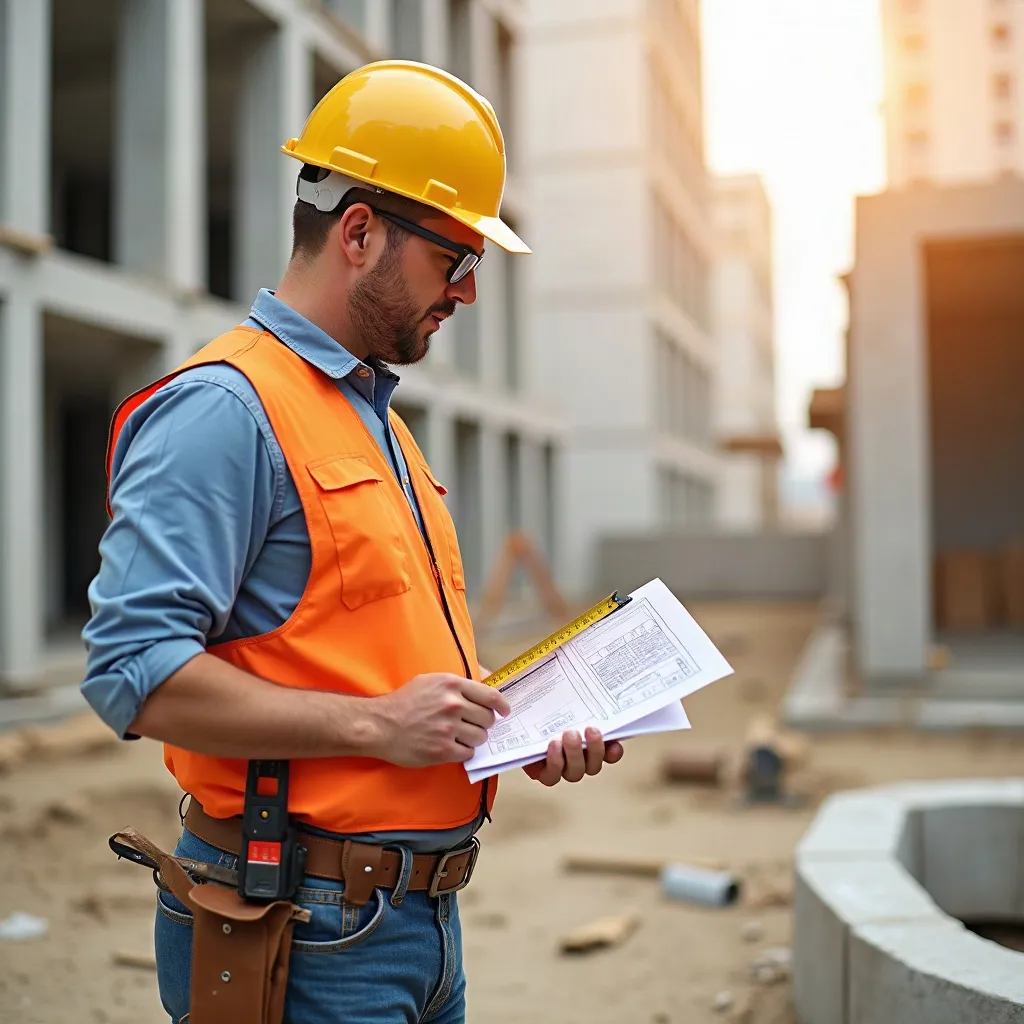
What Does a General Contractor Handle?
A construction manager directs the various elements of a building endeavor, ensuring that everything runs smoothly from start to finish. They serve as the primary point of contact, managing correspondence between clients, subcontractors, and suppliers. This role involves developing the construction schedule, coordinating labor, and ensuring adherence with regional construction standards and regulations.
General contractors are responsible for obtaining necessary permits and scheduling inspections, which are vital for maintaining safety and quality standards. They also manage budgeting, sourcing materials, and managing on-site activities to prevent any possible setbacks or complications. In addition, they supervise subcontractors, making sure that each phase of construction conforms to project specifications and timelines. Overall, a general contractor's knowledge and management abilities are essential to delivering a successful construction project, turning a client's vision into reality while managing multiple duties and obligations.
Benefits of Employing a General Contractor for Home Remodeling
Using a skilled builder for home renovations provides numerous benefits that can greatly improve the efficiency and quality of the project. Experienced contractors deliver expertise in overseeing projects, guaranteeing timelines are met and materials are distributed effectively. Their strong relationships with trade specialists can produce better pricing and excellent quality, which ultimately helps property owners money and time.
Moreover, general contractors oversee the complex aspects of permits and inspections, minimizing possible regulatory problems. They also offer a single point of contact, simplifying communication and coordination among different contractors. This optimization reduces the chance for confusion and setbacks.
Additionally, their background allows them to anticipate looming difficulties, enabling quick fixes to stay on track the project on schedule. By bringing on a general contractor, homeowners can concentrate on their vision while obtaining peace of mind, assured that a professional is managing every aspect of the renovation.
Refuting False Notions About Construction Contractors
While many property owners may hold false beliefs about general contractors, understanding the truths can lead to more informed decisions. One common myth is that hiring a general contractor is unnecessary for small projects; however, their skills can simplify even small-scale renovations, ensuring compliance with local codes. Another common belief is that general contractors are merely middlemen, but they often possess extensive knowledge in multiple areas, enabling them to manage projects effectively. Additionally, some clients think that working with a contractor will significantly increase costs. In truth, a professional contractor can often secure better rates for materials and labor due to established relationships with suppliers and subcontractors. Finally, many believe that general contractors are inflexible, but reputable contractors prioritize client communication and collaborate closely to meet individual needs. Cleared up myths can empower clients to leverage the real value of general contractors in achieving effective home projects.
Finding the Ideal General Contractor?
How can homeowners ensure they select the ideal general contractor for their projects? The procedure starts with comprehensive investigation. Homeowners should seek recommendations from friends, family, or online reviews to find qualified contractors. Once a compilation is created, confirming credentials, such as licensing, bonding, and insurance, is essential to verify legitimacy.
Next, property owners should ask for and examine collections of past projects, concentrating on assignments of comparable size. Setting up interviews allows homeowners to gauge compatibility, discussing timelines, budgets, and expectations. It's also advisable to get several estimates for comparison, providing a clear understanding of expenses.
Reviewing references offers understanding of a contractor's dependability and expertise. Finally, following your intuition is crucial; an initial meeting can expose a contractor's way of communicating and methodology. By adhering to these guidelines, homeowners can significantly boost their chances of selecting a general contractor who aligns with their project needs and vision.
Successful Conversation Techniques Alongside Your General Contractor
What approaches can homeowners utilize to confirm clear exchanges with their general contractor? Creating direct communication from the start is necessary. Homeowners should clearly articulate their desires, project objectives, and budget constraints during first meetings. Regular updates can be enabled through organized gatherings, ensuring that both parties remain synchronized throughout the project.
Using documented records, such as email correspondence and project documentation, helps strengthen verbal agreements and reduces confusion. Homeowners should also encourage transparent communication by inviting input and inquiries from the contractor, fostering a cooperative atmosphere.
Furthermore, capitalizing on technology, such as project management apps, can facilitate team dialogue by creating a centralized location for conveying updates, timelines, and changes. Finally, maintaining politeness and approachability can strengthen mutual understanding, allowing for it to be more straightforward for the contractor to discuss challenges or suggestions with success. By executing these strategies, homeowners can nurture a fruitful and transparent connection with their general contractor.
What Lies Ahead When Your Initiative Commences?
When the project gets underway, homeowners should prepare for a wave of activity on-site. The construction manager will oversee groups of qualified craftspeople, comprising electricians, plumbers, and carpenters, who will begin their work in accordance with the established timeline. Homeowners may spot large equipment and supplies being delivered, creating a active environment.
Clear dialogue is crucial during this period. The contractor will communicate advancements and resolve any issues that surface. Homeowners should prepare for possible disruptions, such as acoustic disturbances and restricted access to various areas of the home.
Safety measures will be in place to preserve both workers and residents, maintaining a secure context. Additionally, homeowners may be encouraged to copyright flexibility, as unforeseen issues can arise, necessitating adjustments to the original plan. Overall, this initial phase sets the stage for the successful completion of the project, and active cooperation is essential.
Essential Questions for Your General Contractor Agreement?
Pinpointing the right matters to inquire about when settling a general contractor agreement is fundamental for guaranteeing a streamlined project. Homeowners should inquire about the contractor's license and insurance to verify their credentials and protection against accountability. Understanding the project timeline and benchmarks is significant; therefore, asking about expected completion dates helps manage expectations.
It is also essential to define financial conditions, comprising initial payments and payment schedules, to consult this source avert miscommunications. Homeowners should seek a detailed breakdown of costs, encompassing materials and labor, to guarantee openness. Moreover, talking through the process for managing adjustments or unexpected complications can thwart conflicts in the future.
To wrap up, homeowners must look into information about the experience of subcontractors, as well as the communication methods of the contractor throughout the project. By tackling these questions, property owners can nurture a productive relationship with their general contractor, ultimately enabling a successful home improvement project.
Common Questions Asked Often
In What Manner Do General Contractors Request Payment for Their Work?
Contractors generally levy charges via flat fees, time-based rates, or a share of the complete project budget. Their rates may also include resources, labor, and overhead, contingent on the project's complexity and scope.
Can a General Contractor Give Help With Permits and Examinations?
Yes, a construction professional can assist with obtaining permits and managing inspections. They generally navigate local regulations and maintain regulatory adherence, simplifying the workflow for homeowners while facilitating necessary authorizations throughout the building endeavor.
What Attributes Should I Identify in a General Contractor?
When picking a general contractor, one should assess qualifications such as valid licensing, insurance, background with comparable initiatives, strong references, and effective communication skills, ensuring they demonstrate the essential qualifications to manage the project with success.
How much time Does a Typical Home Renovation Project Require?
A standard home renovation project can require anywhere from a few weeks to several months, based on the scope, complexity, and size of the project, as well as the availability of materials and labor.
What Takes Place if My Project Overshoots Budget?
Should a project exceed the budget, the builder usually communicates the reasons and options with the property owner. Adjustments may involve reducing costs, seeking additional funding, or adjusting the project parameters to conform to budget constraints.
Report this page