Dunellen General Contractor Offering Complete Construction Solutions
Dunellen General Contractor Offering Complete Construction Solutions
Blog Article
Why Selecting the Right General Contractor Is Essential for Your Project
Determining the right general contractor is a pivotal decision that can greatly shape a project's completion. A suitable contractor guarantees productive management and adherence to spending limits. Their expertise to navigate setbacks and maintain lucid correspondence is essential. However, many project participants overlook critical considerations in this selection mechanism. Understanding these elements can point to better results and boosted satisfaction. What should one assess when reaching this important decision?
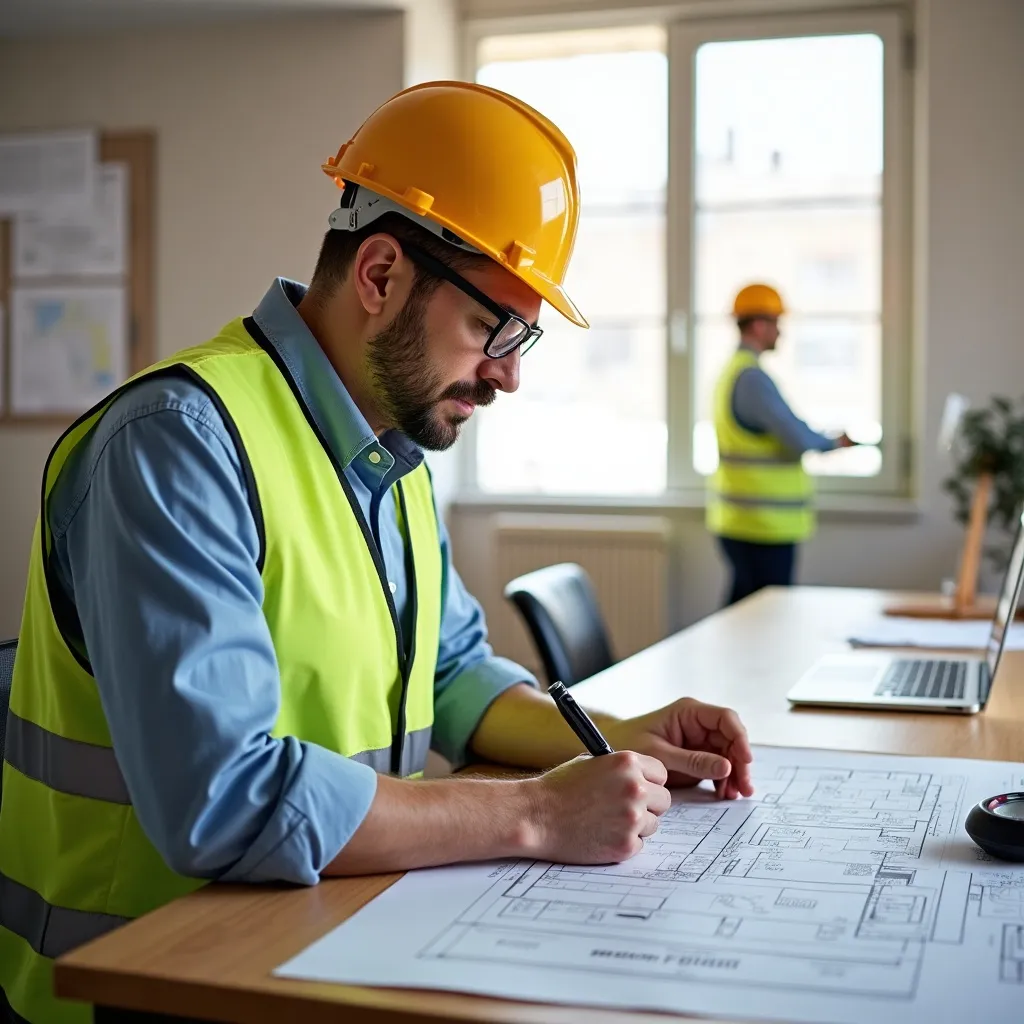
Common Challenges in Selecting a General Construction Professional
When selecting a general contractor, potential clients often face numerous typical challenges that can complicate the selection process. One major obstacle is the vast quantity of choices on offer, which can lead to uncertainty and hesitation. Clients may struggle to differentiate between contractors based on credentials, background, and cost, making it difficult to determine who will best satisfy their construction requirements.
A further problem is the limited disclosure in contractor quotations, where hidden costs may emerge later, affecting the project budget. similar resource Likewise, clients may experience issues pertaining to exchange of information; some contractors may be unable to keep clients informed throughout the process, leading to dissatisfaction. Finally, clients often grapple with substantiating a contractor's endorsements and historical work, which can lead to uncertainty about the quality of service to be delivered. These challenges necessitate careful consideration and scrutiny to confirm the optimal choice is made.
The Value of a Trusted Project Manager
A reliable general contractor plays an essential role in guaranteeing project management efficiency and maintaining quality assurance guidelines. Their skill helps streamline processes, minimizing delays and costs. Additionally, a dependable contractor upholds high standards, resulting in superior craftsmanship and client satisfaction.
Enhance Project Organization Productivity
Efficient project management is contingent upon the dependability of a general contractor. A reliable contractor ensures that timelines are followed, resources are efficiently assigned, and communication flows smoothly among all stakeholders. Their capability to manage subcontractors, suppliers, and laborers directly impacts the advancement and final success of the project. A trustworthy contractor minimizes delays and cost overruns This efficiency encourages collaboration, allowing adjustments and improvements as needed. Ultimately, the general contractor's trustworthiness improves both project functions and trust among clients and team members, guaranteeing alignment towards a favorable final outcome.
Superior Assurance Standards
Reliable general contractors play a crucial role in upholding quality assurance standards throughout a project. They ensure that all work adheres to established guidelines and industry best practices, which is essential for the longevity and safety of the structure. A competent contractor exercises rigorous oversight of materials and workmanship, carrying out regular inspections to identify and rectify issues promptly. This proactive approach reduces risks associated with subpar construction, ultimately safeguarding the investment. Moreover, a reliable contractor fosters communication among all stakeholders, making certain that expectations are clear and met. By prioritizing quality assurance, a skilled general contractor not only enhances the final product but also establishes trust with clients, laying the groundwork for successful project outcomes.
Examining a Contractor's Experience and Reputation
When assessing a general construction professional, understanding their experience and reputation is vital, as these factors greatly influence project results. A contractor's experience generally demonstrates their ability to handle different kinds of projects, complexities, and hurdles. Reviewing their portfolio provides understanding into past projects, highlighting craftsmanship and careful attention to specifics.
Additionally, credibility serves as a vital factor in forming trust. Prospective clients should seek online reviews, testimonials, and references to evaluate satisfaction levels from previous clients. Interacting with past customers can show the contractor's reliability, communication skills, and adherence to timelines and budgets.
Furthermore, industry affiliations and accreditations can enhance a contractor's credibility, suggesting a resolve to superior standards and responsible practices. By thoroughly evaluating both track record and reputation, clients can make informed decisions, ultimately establishing the foundation for a victorious construction project.
Key Attributes of a Reputable Contractor
A trustworthy contractor consistently exhibits honesty, openness, and excellent communication skills. These essential qualities create the basis of a successful working relationship. Honesty ensures the contractor adheres to moral standards, offering truthful evaluations and practical schedules. Transparency entails fully disclosing project details, encompassing costs and potential challenges, building trust between the contractor and the client.
Powerful communication abilities enable the contractor to convey ideas effectively, grasp client needs, and tackle any issues that arise during the project. Moreover, a reliable contractor exhibits flexibility, reacting to changes and unforeseen circumstances with poise and resilience. Keen attention to detail is yet another crucial trait; it reflects a commitment to quality and accuracy in every component of the work. Ultimately, these qualities not only strengthen project outcomes but also contribute to a positive engagement for clients, making the appointment of a trustworthy contractor all the more crucial.
Key Inquiries for Selecting Your General Contractor?
How can a person ensure they choose the best general contractor for their project? By posing a series of specific questions, potential clients can more effectively assess candidates. First, asking about the contractor's experience with similar projects offers insight into their expertise. It's also vital to ask for references; communicating with previous clients can uncover the contractor's dependability and quality of work.
Next, discussing licensing and insurance confirms that the contractor meets legal obligations and safeguards the client from possible liabilities. Clients should also ask regarding timelines and project management strategies to gauge how the contractor plans to handle the project effectively.
Budget talks are vital; requesting a thorough estimate prevents surprise costs later. Finally, grasping the contractor's communication style preferences can establish the foundation for a productive working relationship. By tackling these important inquiries, clients can choose wisely in selecting their general contractor.
Why Dialogue Matters With Your Contractor
Effective communication with a contractor is necessary for project success. Clarifying unambiguous parameters and providing timely updates can avert misunderstandings that often lead to expensive interruptions. Additionally, promoting an open interaction develops confidence, assuring a smoother teamwork throughout the building process.
Transparent Goals Build Results
Establishing explicit expectations is crucial for a successful partnership with a general contractor. Effective communication lays the foundation for understanding project goals, timelines, and budget constraints. When both parties express their needs and concerns, it lowers the risk of misunderstandings that can derail progress. A contractor who is aware of the specific requirements can allocate resources efficiently and address potential challenges proactively. In addition, clear expectations fosters accountability, guaranteeing that the contractor delivers on promises and that the homeowner feels involved in the process. By prioritizing open dialogue from the outset, clients can enhance collaboration and satisfaction, ultimately leading to a more efficient project execution. Clear expectations not only simplify processes but also build trust between the homeowner and the contractor.
Quick Updates Prevent Misunderstandings
Defining distinct requirements establishes the foundation for cooperative success, while steady communication is absolutely vital. Frequent communication from a general contractor can avert confusion that develops in the course of a project. As builders regularly communicate project updates, customers keep informed of timelines, financial adjustments, and anticipated roadblocks. This forward-thinking communication helps to harmonize each party's goals and reduces the possibility of disputes down the road. Similarly, when issues arise, prompt communication allows for quicker problem-solving, keeping the work on schedule. By building a climate of open communication, contractors demonstrate their dedication toward the undertaking's success, finally producing a smoother operation and greater client contentment. Consequently, prompt communications function as a cornerstone for maintaining transparency and confidence within the building endeavor.
Transparent Exchange Fosters Trust
During a undertaking's progression, sustaining an candid exchange with the lead contractor becomes crucial for fostering reliance and partnership. Clear communication promises that all parties have a precise understanding of standards, timelines, and potential challenges. When contractors and clients engage in regular discussions, it facilitates for the spotting of issues before they escalate, decreasing disruptions. This transparency not only fosters belief but also enhances the overall construction experience. In addition, an open line of communication supports commentary, allowing the contractor to make refinements that satisfy the client's vision. Finally, strong communication forms a foundation of mutual respect, which is necessary for the successful completion of any construction job. Trust cultivated through conversation leads to better outcomes for everyone taking part.
Frequently Posed Questions
What methods can I use to assess if a Contractor has been Licensed?
To determine if a contractor is authorized, one should inspect local governing bodies and internet sites, validate their license number, and verify it's active. Additionally, reviewing online reviews can furnish understanding of their credibility and reliability.
What Protection Must My Contractor Possess?
A builder must have broad coverage protection, workers' compensation, and, if applicable, professional liability insurance. These cover possible harm, on-the-job accidents, and errors in workmanship, guaranteeing monetary safeguards for both the contractor and the customer.
What's the Best Way to Examine a Contractor's Track Record?
To verify a contractor's credentials, one should request a list of previous clients, reach out to them personally, and inquire about their feedback. Furthermore, researching internet feedback and scores can provide valuable insights into the contractor's reliability.
What Should I Implement if Problems Develop During the Assignment?
If issues arise during the project, one should document the problems, communicate directly with the contractor, and seek a resolution. If necessary, bringing in a neutral third party or consulting a legal professional may also be advisable.
Do You Need to Identify Problem Indicators During the Hiring Process?
Red flags during the hiring process include vague estimates, lack of references, inadequate responsiveness, missing certifications, and unfavorable ratings. These signals suggest potential issues that could affect the project's quality and timeline.
Report this page